Pet
Little House on the PrairiePet is one of the two small young black horses that Charles Ingalls acquires in exchange for the family's tired brown horses during the journey west, and she becomes a central figure in the Ingalls family's survival on the Kansas prairie. She is distinguished by her gentle nature, her protective maternal instincts after giving birth to a colt, and her role in several of the family's most dangerous moments, including the crossing of a flooded creek, an encounter with a wolf pack, and the flight from a prairie fire. Pet's story is one of quiet endurance and loyalty, marking her as more than mere livestock but as a companion whose presence shapes the family's daily life and their relationship with the wild frontier.
Identity and Introduction
Pet enters the story during the Ingalls family's long journey from Wisconsin to Indian country. One day, Pa sold the tired brown horses that had pulled the wagon across the Mississippi River and many other rivers and creeks, and in their place he got two small young black horses with soft gentle eyes and long tails. Pa described them as "western horses," saying they were "very strong but very gentle." When Laura asked what their names were, Pa told her and Mary that they could choose the names themselves, and so they called one "Pet" and the other "Patty." This act of naming by the children immediately establishes Pet as a member of the family rather than a mere tool, and her gentle eyes and long tail become recurring markers of her character throughout the narrative.
Life and Plot Trajectory
Pet's life on the prairie is marked by a series of trials that test her strength and loyalty. Early in the journey, at a creek that was running high and fast, Pet and Patty stopped to drink, and the sound of the fast-running water filled the still air. The river was silver and blue, and the water ran quickly in the middle. Pa decided to cross, and as the wagon entered the water, the current proved too strong. Ma shouted for the girls to lie down and not move, and Laura felt the wagon turning. Pa's voice frightened Laura when he called out, "Take the horses, Caroline!" and then Pa was gone, leaving Ma alone holding the reins. Laura looked out and saw nothing but water everywhere and three heads in the water—Pet's head, Patty's head, and Pa's small wet head. Pa's hand was holding Pet's head, and he was talking calmly to the horses while Ma's face was white and frightened. For a long time the wagon rocked in the water, until finally the front wheels hit the ground and Pa shouted. Laura saw the wet horses climbing out of the water, with Pa running beside them, shouting "Get up! Get up! Good girls!" This moment reveals Pet's crucial role in the family's survival, as her strength and calmness under Pa's guidance carry them through the flood.
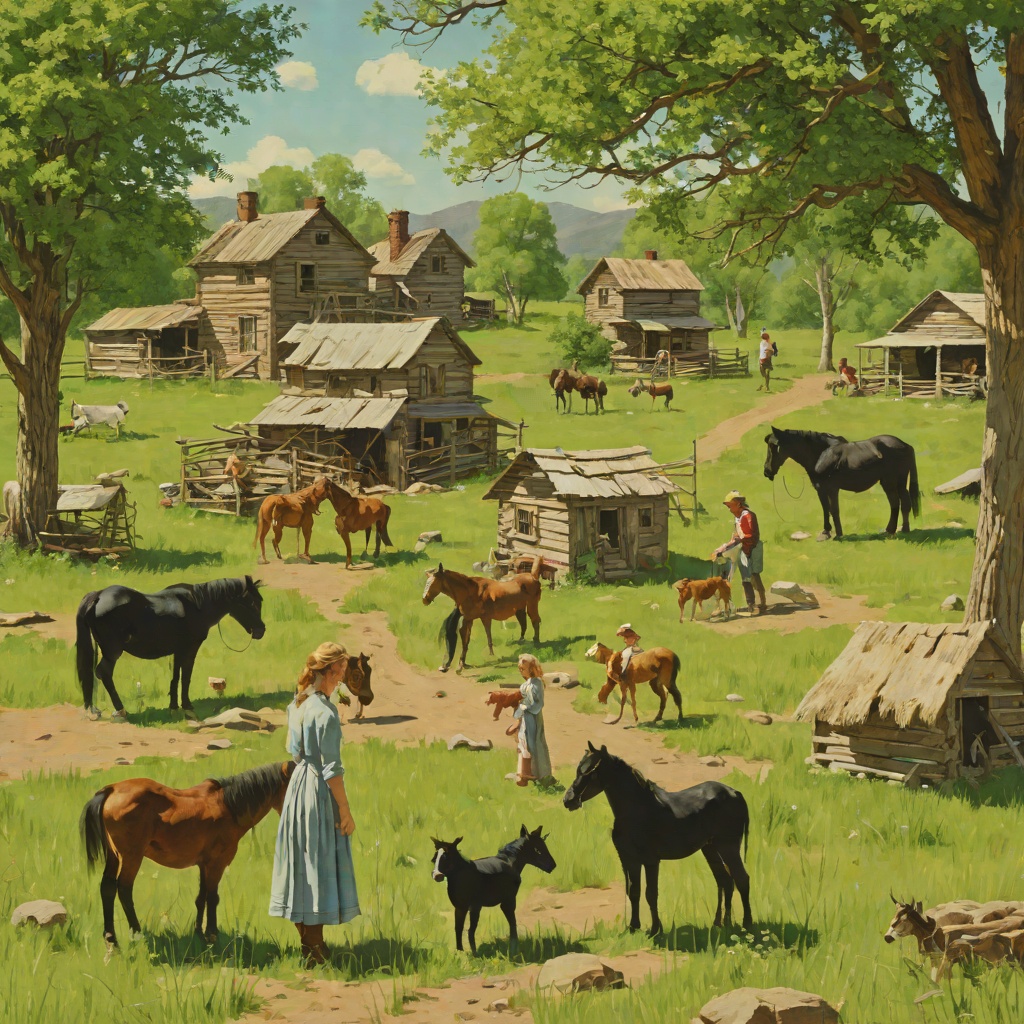
Later, after the family has built their little house on the High Prairie, Pa and Mr Edwards built the stable for Pet and Patty in one day. In the morning, Laura went into the stable and found a surprise: a little colt with long ears stood beside Pet. When Laura ran toward it, gentle Pet put back her ears and showed her teeth, and Pa shouted, "Stay back, Laura! She could bite you." Pa then spoke to Pet, saying, "You know we won't hurt your baby, Pet," and Pet let Pa touch the baby, but she did not let Laura or Mary go near her. This moment shows Pet's protective maternal instinct, which overrides her usual gentleness, and it also deepens the family's bond with her as they respect her boundaries.
Key Actions and Objectives
Pet's primary objective throughout the story is to serve the Ingalls family, pulling the wagon, working the land, and carrying Pa across the prairie. When Pa decided to build the fireplace, he took Laura and Mary along in the wagon, and Pet and Patty started with a little jump and pulled the wagon down the new road that Pa's wagon wheels had begun to make. They rode through dry valleys and over low, round hills, with deer lying under the trees and birds singing, and Pet carried them faithfully. Later, when a prairie fire threatened the house, Pet and Patty came running from the field pulling the plough behind them and with Pa running after them. Pa shouted, "Prairie fire! Fill the tub with water! Put sacks in it! Hurry!" and the horses' swift return was a critical part of the family's frantic efforts to save their home. Pet's actions are consistently tied to the family's survival, whether in the water, in the field, or in the face of danger.
Relationships and Conflict
Pet's relationship with the Ingalls family is one of mutual trust and care, but it is also marked by moments of conflict and fear. During the wolf encounter, Pa told the story of how a pack of fifty wolves surrounded him and Patty on the prairie. Pa said, "Patty was trembling all over. She was so scared. I was, too. But I made her walk." He explained that wolves will chase and hurt a running horse, so he pulled the reins hard and made Patty walk, and the wolves just walked along with them like a pack of dogs. This story highlights the danger that Pet and Patty face from the wild animals of the prairie, and it also shows Pa's role as their protector, even as he admits his own fear. Pet's gentleness is contrasted with the wildness of the wolves, and her dependence on Pa's judgment is a key part of their relationship.
Pet also has a distinct relationship with Laura, who named her and who is drawn to her. When Laura saw the colt, she ran toward it, but Pet's protective reaction showed that even the gentlest animal has limits. Laura's desire to be close to Pet and her colt is a recurring theme, and Pet's careful guarding of her baby teaches Laura about boundaries and respect. In contrast, the cattle drive that passed by the house showed a different kind of horse, a black-and-white one ridden by a cowboy who waved his big hat and shouted at the cattle. Laura was so taken with the cowboy that she ran around outside, waving her hat and shouting wildly, until Ma told her to stop, saying, "A young lady shouldn't shout like that." Laura replied, "I wish I could be a cowboy, Ma," and this moment contrasts the freedom of the cowboy's horse with the more domesticated role of Pet and Patty.
Change and Ending
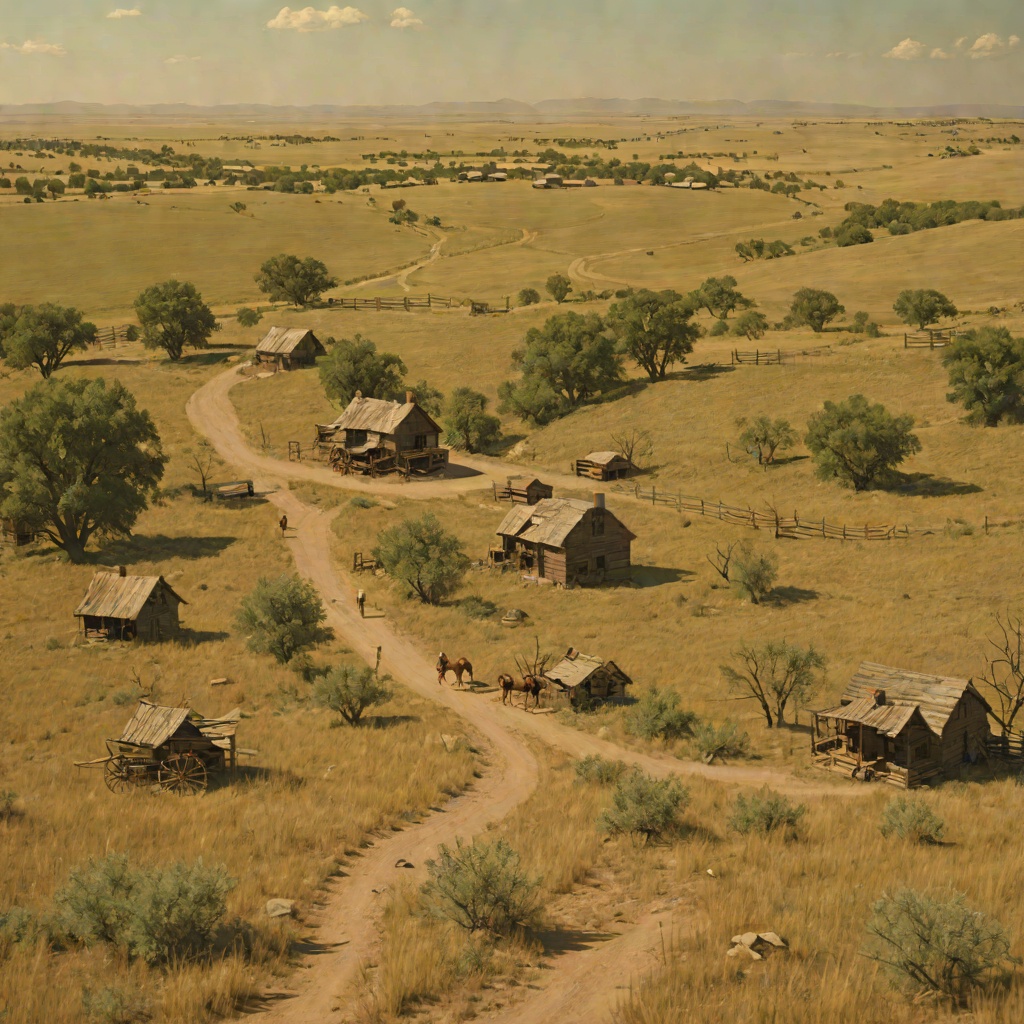
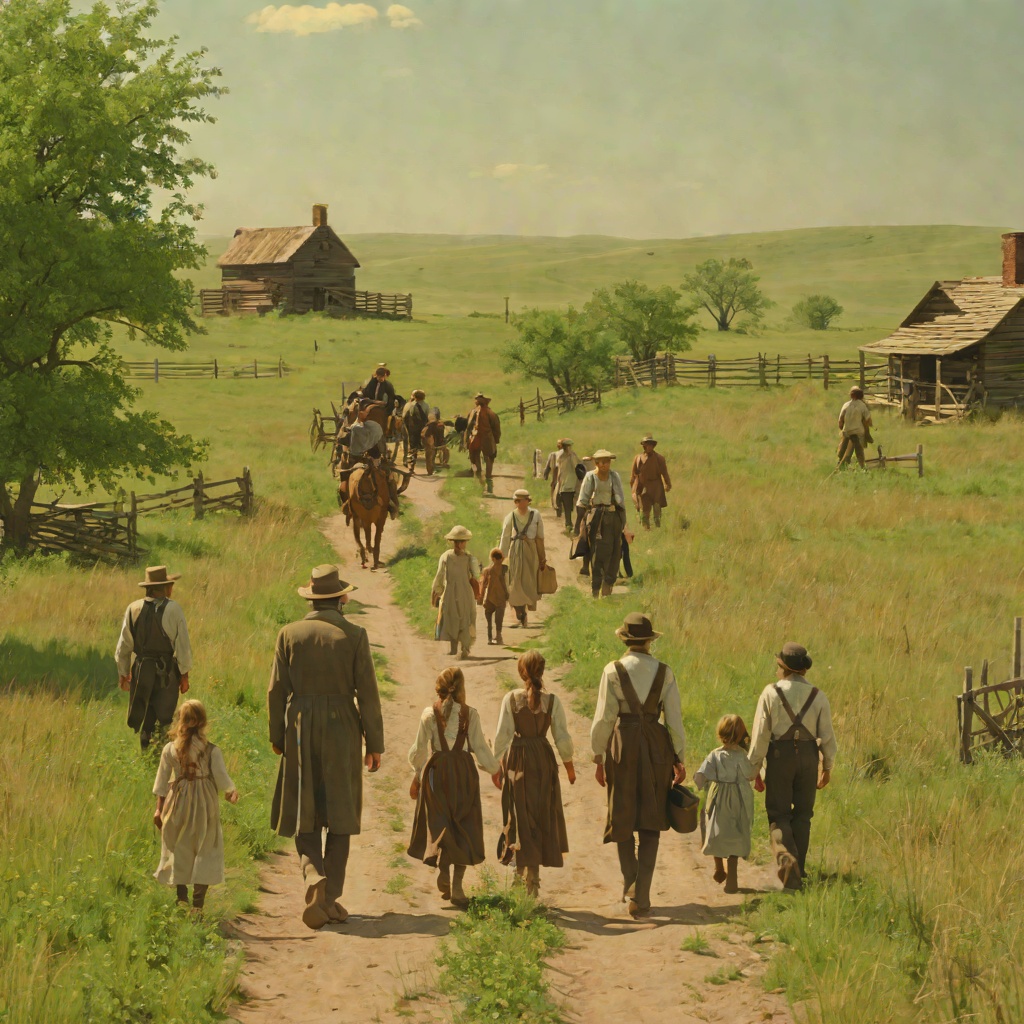
Pet's story ends with the family's departure from Indian Territory. The U.S. government had decided to remove white settlers from the land, and Pa and Ma packed the wagon, leaving behind the plough because they could not take it. Laura and Mary climbed into the wagon and sat on the bed in the back, and Ma put Baby Carrie between them. Pa climbed to his place beside Ma and took the reins in his hands, and Jack went under the wagon, and Pet and Patty walked away from the little house on the prairie. As far as they could see, to the east and to the south and to the west, nothing was moving, and only the green grass was waving in the wind. Pa said, "It's a great country, Caroline. But there will be wild Indians and wolves here for many years." Pet's final act is to carry the family away from the home they had built, and her steady walk into the empty prairie marks the end of their time on the High Prairie. She remains a constant presence, loyal to the end, and her journey with the family is a testament to the bond between humans and animals on the frontier.
Narrative Role and Evaluation
Pet functions as more than a simple work animal in the narrative; she is a symbol of the family's resilience and their connection to the land. Her gentleness, her strength in the flooded creek, her protective love for her colt, and her faithful service through fire and flood all mark her as a character in her own right. The narrative gives her a personality through Laura's eyes, from the soft gentle eyes that first caught the children's attention to the ears laid back in warning when her baby was threatened. Pet's presence also highlights the precariousness of frontier life, where even the family's most trusted companions are vulnerable to the dangers of wolves, floods, and fires. In the end, Pet's quiet endurance mirrors the Ingalls family's own journey, and her departure from the little house on the prairie is a poignant reminder of the impermanence of their life in the West.